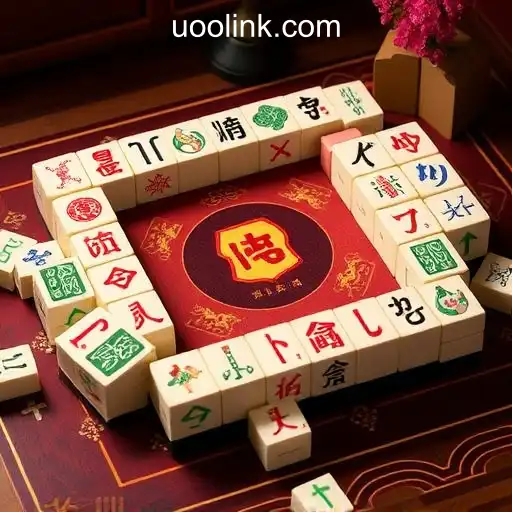
The Rich Heritage and Contemporary Appeal of Mahjong
Mahjong, a captivating tile-based game, has transcended centuries, maintaining its allure and charm across various cultures. Known for its complexity and strategy, Mahjong is a social game played around the world. As we delve into the intricate elements of Mahjong, we also explore how it's adapted to modern times, including innovative integrations like the UOO.COM Oficial Slots Brasil #1, which has breathed new life into this classic pastime.
Origins of Mahjong
Mahjong’s roots are deeply embedded in Chinese history, with a lineage tracing back over 300 years. While its precise origins remain debated, many historians believe it evolved from earlier card games played during China’s Qing dynasty. The modern form of Mahjong as we know it began to take shape in the early 19th century.
The game of Mahjong began in provincial China, where it was commonly enjoyed among local communities. Its popularity spread rapidly, transcending social and economic classes. By the early 20th century, Mahjong had made its way to Western markets, where it was embraced enthusiastically.
The Game Structure
Mahjong is not merely a game of chance; it demands skill, strategic thinking, and a degree of luck. Traditionally, it is played with a set of 144 tiles divided into suits: bamboo, circles, and characters. Additional tiles include winds, dragons, flowers, and seasons, each adding a layer of strategy to the game.
In a standard game, four players take turns drawing and discarding tiles, with the goal of forming a winning hand that might consist of four sets of three and a pair. The beauty of Mahjong lies in its variants, as rules can differ widely depending on the region.
Cultural Significance
Mahjong is more than just a game; it's a cultural phenomenon that holds significant social and familial value, especially in Chinese culture. Often played during New Year celebrations and festivals, it symbolizes friendship, family unity, and the sharing of happiness.
Outside China, Mahjong has found a home in various communities worldwide. Jewish-Americans, for example, have embraced a variant known as "American Mahjong," characterized by its unique card that players use to form specific hands. This demonstrates Mahjong's versatility and its ability to adapt to new cultural milieus.
Modern Adaptations and Popularity
With the advent of digital technology, Mahjong has found a vibrant new platform online. Video game adaptations and mobile apps have brought Mahjong to a global audience, allowing enthusiasts to enjoy the game at their convenience. Online platforms have recreated traditional experiences, preserving the game's essence while introducing innovative twists.
One such adaptation that captures modern creativity is the UOO.COM Oficial Slots Brasil #1. By merging classic elements of Mahjong with the excitement of slot games, UOO.COM offers a unique experience that highlights Mahjong’s adaptability. This fusion has helped draw in a younger demographic, ensuring Mahjong’s continued relevance in a fast-changing entertainment landscape.
Conclusion
Mahjong's journey from its historical roots in Qing dynasty China to its contemporary digital forms exemplifies its enduring appeal. While the game maintains its nostalgic value for long-time players, modern adaptations like those by UOO.COM ensure it stays fresh and engaging for new generations. Whether played around a traditional table or through a digital interface, Mahjong continues to connect people across cultural and generational divides.
Immerse yourself in the world of Mahjong, a timeless game that promises not just leisure but an avenue for social connection and cultural exchange. As you experience its many forms, from traditional sets to digital innovations, discover why Mahjong remains a beloved pastime for millions across the globe.